

































How to Choose the Right Felicity Solar Battery for Your Home

This guide helps South African households choose the right Felicity Solar battery size based on essential loads, outage duration, and future expansion plans.
Choosing the right battery comes down to three things: the appliances you need to run during load-shedding, how long you want backup power to last, and whether you plan to expand your system later. When sized correctly, your essentials stay on without overloading the system or paying for unused capacity.
With load-shedding still unpredictable in South Africa, home batteries must handle frequent daily cycling and repeated 2-, 4-, or 8-hour outages. Felicity Solar LiFePO₄ batteries are designed for this kind of real-world use, making them a practical option for backup-only or solar-ready systems.
Start With Your Essential Loads
Before choosing a battery, the most important step is understanding what you actually need to power during load-shedding. This is called your essential load, which is the devices that keep your home functional and comfortable while the grid is down.
Essentials vs Non-Essentials
Essentials
These are the items most households want running throughout an outage:
- Wi-Fi router
- Lights (LED)
- TV and decoder/streaming device
- Fridge and freezer
- A few plug points for charging devices
- Security systems (cameras, alarm, gate motor battery charging)
Non-essentials
These appliances draw far more power and aren’t typically put on backup circuits:
- Kettle
- Microwave
- Air fryers and ovens
- Geysers
- Heaters
- Pool pumps
Step-by-Step Felicity Battery Sizing
Battery sizing is simply about understanding how much power you use and how long you need it for. Let’s break it down.
1) Estimate Your Energy Use (kWh)
Every appliance has a watt (W) rating. To calculate how much energy it uses:
Watts × Hours = Watt-hours (Wh)
Wh ÷ 1000 = kWh
Here’s a quick example for a typical South African household:
| Appliance | Watts | Hours Used During Outage | Energy Use |
| Wi-Fi | 10W | 4 hrs | 40Wh |
| TV + Decoder | 120W | 3 hrs | 360Wh |
| Lights | 80W | 4 hrs | 320Wh |
| Fridge | 150W (cycles) | ±2 hrs active | 300Wh |
Estimated total = around 1.0–1.2 kWh for a typical Stage 4 slot.
This is a simplified example, but it helps you understand how each device contributes.
2) Match Your kWh to Outage Duration
Now that you know how much energy you use, match it to how long you need backup for:
For 2-hour outages (Stage 2/3):
A 2.5kWh to 5kWh Felicity battery is usually enough for essential loads.
For 4-hour outages (Stage 4/6):
Most homes need 5kWh to 7.5kWh, depending on usage.
For 8-hour outages (Stage 6/8 extended):
Look at 10kWh to 12.5kWh or more, especially if you’re running a fridge/freezer and multiple rooms.
Remember: deeper outages mean deeper discharges, which cause shorter battery lifespan over time. That’s why sizing correctly from the beginning saves money long-term.
3) Consider Surge and Peak Demand
Some appliances draw extra power when they switch on. Even if you don’t plan to boil a kettle during load-shedding, your fridge’s compressor, TV, or pumps may create short bursts of higher demand.
This is where your inverter plays a major role, not just your battery. A fridge may draw 100–150W continuously but spike at 600–800W for a few seconds. An inverter must support this surge. Your battery simply needs enough available capacity to match the electrical load.
When you pair a Felicity battery with the correct type of inverter, these peaks are handled smoothly.
Common Felicity Battery Sizes and Who They Suit
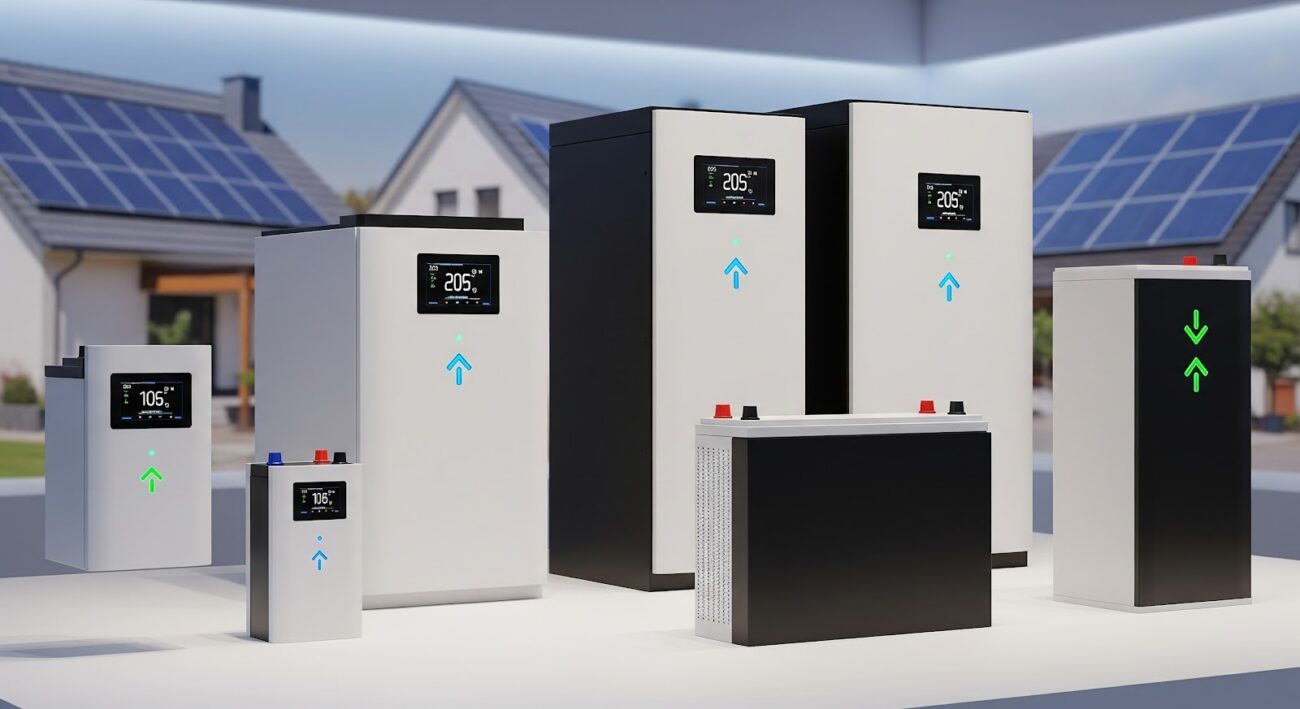
Felicity’s range makes it easy to size your system to your lifestyle. Here’s a quick breakdown:
2.5–5kWh Batteries → Apartments & Small Homes
Ideal for:
- Lights, Wi-Fi, TV, fridge
- People who use power conservatively during outages
- Homes with 2-hour or occasional 4-hour load-shedding
5–10kWh Batteries → Medium Homes
The most popular category in SA, it’s perfect for 4-hour outages and manageable for extended cycles. It comfortably handles:
- Fridge and freezer
- Multiple lights and Wi-Fi
- TV, laptops, electronics
- Moderate appliance use
10–15kWh+ Batteries → Large Homes & Small Businesses
Best for:
- Multiple rooms are active during outages
- Larger fridges/freezers
- Small businesses needing POS, lighting, CCTV, and devices running
- People who want long backup times (6–8 hours)
Modular scaling
Many Felicity batteries allow for parallel installation, meaning you can start with a smaller system, monitor your usage, and add more storage later without replacing the entire system. This adaptability is a massive benefit for budget-conscious buyers.
What Are LiFePO₄ Batteries?
LiFePO₄ (Lithium Iron Phosphate) batteries are a safer, longer-lasting type of lithium battery widely used in solar and backup power systems. They offer excellent thermal stability, high cycle life, and reliable performance under frequent charging and discharging, which makes them ideal for South Africa’s daily load-shedding environment.
Compared to older lead-acid or gel batteries, LiFePO₄ delivers more usable energy, charges faster, and lasts significantly longer, giving users better long-term value and consistency.
How Long Do Felicity Batteries Last?
Felicity uses LiFePO₄ chemistry, which is known for longevity. In plain language, LiFePO₄ delivers thousands of cycles, plus daily cycling means excellent durability. You can expect at least 5-10 years of service, depending on usage.
What affects lifespan?
- Frequent deep discharges
- High loads during outages
- Heat (garage installs can get hot in summer)
- Incorrect inverter or charge settings
When sized correctly and installed properly, Felicity batteries easily handle South African load-shedding conditions.
Battery and Inverter Pairing Tips
Your battery and inverter work as a team. Even a perfectly sized battery won’t perform properly if the inverter is undersized or misconfigured. Keep these in mind:
- Choose an inverter that matches your peak load (surge).
- Ensure the inverter and battery communicate correctly (BMS).
- Stick to reputable brands and installers for warranty protection.
- If you plan to add solar panels later, make sure your inverter allows it.
When Should You Upgrade or Expand Your Battery?
Signs your battery might be too small:
- It drains faster than expected.
- Your inverter trips when multiple appliances run.
- Your fridge causes dips or frequent restarts.
- You avoid using anything “extra” during outages.
Adding panels vs adding storage
Extra solar panels help you charge faster during the day. Extra battery capacity helps you last longer at night or during long outages. Many households eventually add both.
Scaling Felicity systems
Most Felicity models support expansion. Instead of replacing your system, you can simply add more batteries when your budget allows.
Quick Checklist Before You Buy
Before you click “add to cart,” run through this list:
- Do you know your essential loads?
- Do you have the correct system voltage (usually 48V)?
- Is your inverter sized correctly for surge loads?
- Are you buying warranty-backed stock from a trusted SA supplier?
- Is the installation area cool and well-ventilated?
- Do you plan to add solar? (Choose hybrid-ready inverters)
- Have you estimated how long you want your backup power to last?
FAQs
What size Felicity battery do I need for Stage 6?
Most homes require 7.5–10kWh to run essentials for repeated 4-hour cycles throughout the day comfortably.
Can I add another Felicity battery later on?
Yes. Many Felicity models allow for parallel expansion, making it easy to scale your system.
Do Felicity batteries work without solar?
Absolutely. They work perfectly for battery-only backup and can be upgraded to solar later.
Ready to choose your Felicity battery?
Choosing the right Felicity Solar battery size comes down to understanding your essential loads, how long you need backup power during outages, and whether you want room to expand in the future. When these factors are balanced correctly, your system runs more efficiently, lasts longer, and delivers dependable backup through every stage of load-shedding.
What to do next
Read our Felicity compatibility guide to ensure your battery and inverter work together correctly.
Browse Felicity Solar batteries to compare available sizes and configurations.
Speak to our team for sizing advice if you’re unsure how much storage your home needs.
