












Felicity Solar vs Dyness Batteries in South Africa

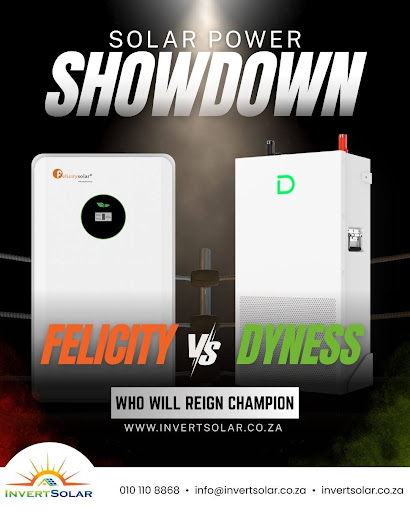
Choosing a lithium battery isn’t about brand names alone. For South African homeowners and small businesses, the right battery depends on how energy is used day to day, how the system is configured, and how future needs are likely to change.
Trying to decide between Felicity Solar and Dyness lithium batteries? You’ll need to consider battery modules and evaluate how each brand performs in real South African energy setups for backup power, solar self-consumption, and long-term energy control.
Keep reading to compare Felicity Solar vs Dyness batteries based on performance, lifespan, compatibility, scalability, and long-term value, helping you choose the option that best fits your system and goals.
Quick answer for South African buyers
Both Felicity Solar and Dyness manufacture reliable LiFePO₄ lithium batteries suitable for residential and small commercial energy storage.
- Felicity Solar is often chosen for its strong value, straightforward integration, and flexible expansion, making it a practical choice for many home systems.
- Dyness tends to appeal to buyers who prioritise modular designs and broad inverter compatibility, sometimes at a higher price point.
The better option for you depends on how the battery will be used within your system, rather than on brand alone.
What matters when choosing a lithium battery in South Africa
Before comparing brands, it’s important to focus on the factors that actually affect performance and value over time.
Daily energy use and cycling
Modern lithium batteries are designed for regular charging and discharging. How often and how deeply a battery is cycled has a direct impact on its lifespan.
Usable capacity
Not all rated capacity is always available. Discharge limits and system settings determine how much energy can be accessed in practice.
Compatibility with inverters
Battery–inverter communication affects performance, monitoring accuracy, and ease of installation.
Scalability
Many systems grow over time. Batteries that support expansion help avoid unnecessary replacements later.
Warranty and local support
Locally supported, warranty-backed stock is essential for long-term peace of mind.
These criteria form the basis of the comparison below.
Felicity Solar battery overview
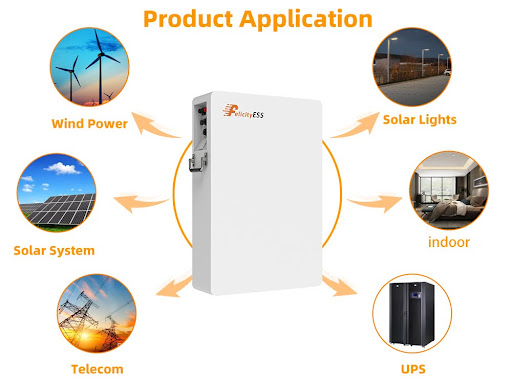
Felicity Solar is a global energy storage manufacturer focused on LiFePO₄ battery technology designed for practical, everyday use. Felicity’s strength lies in delivering dependable storage that integrates easily into a wide range of system designs. Their batteries are positioned as value-focused and flexible, offering solid performance without unnecessary complexity.
In South Africa, Felicity batteries are commonly used for:
- Home energy storage
- Backup systems
- Solar-ready and hybrid installations
- Small business energy stability
Dyness battery overview
Dyness is a well-established lithium battery brand with a strong presence in South Africa. Its batteries are widely used in residential and commercial energy storage systems and are known for modular designs that support structured expansion. Dyness is often favoured where scalability and installer familiarity are key priorities.
Dyness batteries are typically chosen for:
- Modular residential storage
- Solar installations with planned growth
- Buyers who value established international brands
Felicity Solar vs Dyness: key differences
Performance and usable capacity
Both brands deliver stable performance when correctly configured. In practice, usable capacity depends more on system setup than on small differences between models.
Felicity batteries are typically configured to offer a high proportion of usable energy, making them efficient for everyday use. Dyness batteries perform similarly, particularly in modular configurations where capacity is added gradually.
Battery lifespan and cycling
Both Felicity Solar and Dyness batteries use lithium iron phosphate chemistry, which is well-suited to long-term energy storage. With correct sizing and settings, both brands can deliver many years of reliable service.
Actual lifespan is influenced by:
- Depth of discharge
- Usage patterns
- Charging behaviour
Compatibility and system integration
Compatibility plays a major role in system performance. Confirming supported communication protocols before installation helps avoid unnecessary issues. This is covered in more detail in our battery compatibility guide.
- Felicity batteries integrate smoothly with many commonly used inverter brands and support both full communication and voltage-based operation.
- Dyness batteries are also widely compatible and commonly used in modular inverter-battery systems.
Scalability and future expansion
Both brands support system growth, but in slightly different ways. The better option depends on how structured you want future growth to be.
- Felicity batteries typically allow parallel expansion, offering flexibility as needs change.
- Dyness batteries are well known for stackable modular designs, which suit users planning phased expansion.
Warranty and local support
In South Africa, access to local support is critical. Both Felicity Solar and Dyness are available through warranty-backed suppliers, which should always be prioritised over unsupported imports.
Which battery suits which type of user?
Rather than a single “winner,” each brand suits different use cases.
- Apartment or light energy user: Felicity often offers better value where expansion needs are limited.
- Family home planning solar expansion: Both brands perform well; system design should guide the choice.
- Energy-conscious homeowner managing daily use: Felicity’s usable capacity and flexibility make it a strong fit.
- Small business needing predictable uptime: Compatibility with existing inverter infrastructure is the deciding factor.
Common mistakes when comparing lithium batteries
Buyers often focus too narrowly on specifications or brand recognition. A well-matched battery supports the system as a whole, not just one requirement. Common pitfalls include:
- Comparing batteries on kWh alone
- Ignoring inverter compatibility
- Overpaying for features that won’t be used
- Not planning for future expansion
FAQs
Are Felicity Solar and Dyness batteries both LiFePO₄?
Yes. Both use lithium iron phosphate chemistry, which is widely used for long-term energy storage.
Can these batteries work without solar panels?
Yes. Both brands work in battery-only setups and can support solar later if the system allows.
Which battery is easier to expand over time?
Both support expansion, with Dyness favouring modular stacking and Felicity offering flexible parallel expansion.
What to do next
Seeing how Felicity Solar and Dyness compare side by side makes it easier to decide which battery actually fits your system, budget, and long-term plans. The right battery choice supports a system that performs reliably today and adapts smoothly as your energy needs evolve.
- Explore Felicity Solar batteries to compare available models
- Ask us to help you compare options based on your system and usage
- Read the compatibility guide to ensure your storage capacity is appropriate
